
Meet the Team
What Sessions Are Like
A lot of people come to therapy wondering what it will actually feel like.
The first session is about getting to know you—what’s been going on, what feels hardest right now, and what you hope will feel different. There’s no pressure to share everything at once. We move at a pace that feels comfortable for you.
From there, sessions are collaborative and tailored to your goals. Some days we focus on processing emotions and experiences, and other days we focus on practical skills and tools you can use in everyday life—especially when things feel overwhelming or stuck.
My goal is for therapy to feel like a space where you can be honest without judgment, while also walking away with something meaningful you can apply outside of sessions.
Treatment Philosophy
I believe people are doing the best they can with what they have—and that change becomes possible when we add support, insight, and new tools in a safe space.
Therapy works best when it feels grounded in real connection. I show up as a steady, supportive presence while also helping empower you to challenge patterns that may be keeping you stuck.
At the center of my work is helping clients feel heard, respected, and empowered in their own growth process.
Why Clients Choose to Work With Me
Clients often describe me as warm, easy to talk to, and grounded. I aim to create a space where people can show up exactly as they are—even when things feel overwhelming or messy.
My background in schools, pediatric healthcare, home health, and community mental health allows me to support a wide range of concerns, from everyday stress to more complex and crisis-level experiences.
I also bring experience supporting clients through suicidal thoughts, safety planning, ADHD-related challenges, grief related to suicide loss, caregiver stress, and LGBTQ+ identity-related concerns, always with a focus on compassion, stability, and practical support.
Research Interests
My clinical and research interests include:
Anxiety and mood disorders
ADHD and executive functioning
Women’s mental health
LGBTQ+ mental health and identity development
Emerging adulthood and identity development
Trauma and grief
Suicide prevention, intervention, and postvention
Suicide loss and bereavement support
Caregiver stress and support systems
Community Involvement
I’ve supported school-based mental health initiatives and collaborated with educators and families to increase access to care and early intervention. I’m passionate about reducing stigma around mental health and suicide-related concerns, expanding access to affirming care, and supporting underserved communities.
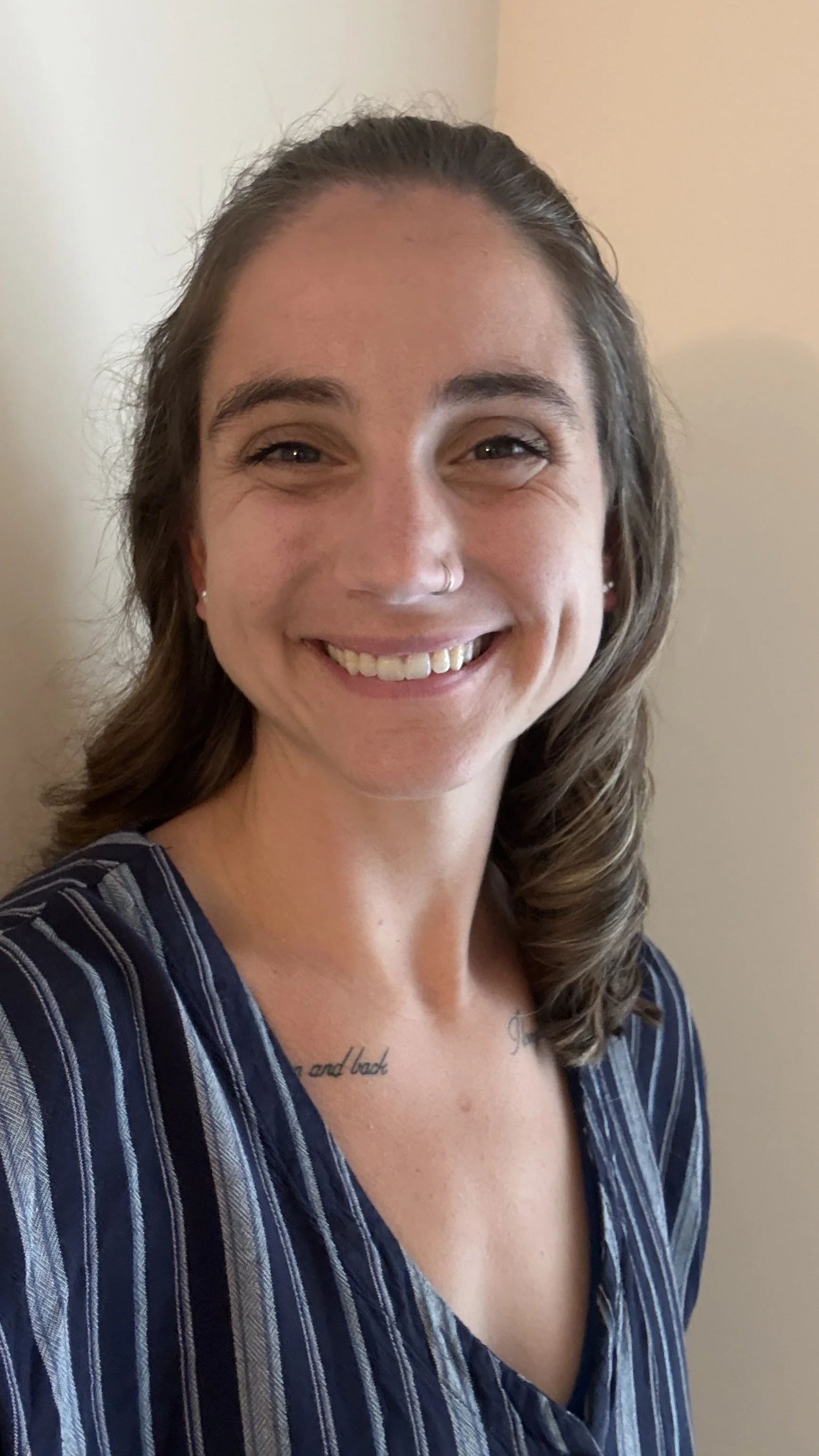
Kelsey Wynn, LMSW
I became a therapist because I’ve always been drawn to sitting with people in the moments where life feels overwhelming, uncertain, or heavy in ways that are hard to put into words. Over time, both my clinical experience and personal encounters with loss and transition showed me how powerful it can be to have someone who can really listen, help make sense of things, and offer steady, nonjudgmental support.
A big part of what led me into this field is my belief that people shouldn’t have to carry everything alone. Whether someone is dealing with grief, anxiety, ADHD-related challenges, burnout, identity questions, or thoughts of not wanting to be here anymore, I want to be someone who can meet them with care and help them find a path forward that feels possible again.
I earned both my Bachelor of Social Work and Master of Social Work from Georgia State University. I am a Licensed Master Social Worker (LMSW) in the state of Georgia.
Professionally, I’ve worked across school-based settings, pediatric healthcare, home health, and community mental health. In home health, I also supported caregivers navigating the emotional and physical demands of caring for loved ones while managing their own stress and burnout. Across these settings, I’ve worked with children, adolescents, young adults, and families facing anxiety, depression, ADHD, trauma, grief, life transitions, and chronic stress.
I also have experience supporting individuals through suicidal ideation, crisis moments, and safety planning, with a focus on creating safety, reducing isolation, and helping clients reconnect with hope. In addition, I work with individuals grieving the loss of loved ones, including those who have experienced suicide loss. These experiences can feel incredibly isolating, and I aim to provide a space where people feel supported and not alone in what they’re carrying.
I am also affirming and supportive of LGBTQ+ clients and strive to create a space where clients feel safe exploring identity, relationships, and lived experiences without fear of judgment.
The clients I connect most with are teens, adolescents, young adults, women, and parents—especially those navigating identity shifts, grief, ADHD-related challenges, or major life transitions. I’m especially drawn to supporting people who are trying to rebuild stability after loss, stress, or unexpected change.
My approach to therapy is warm, collaborative, and down-to-earth. I see therapy as a collaborative process where we figure things out together, at your pace. You bring your lived experience, and I bring tools, perspective, and support to help you better understand what’s going on and what might help. Some days that looks like processing heavy emotions, and other days it looks like building practical skills to manage day-to-day stress.
At the core of my work is the belief that healing happens in connection—with yourself, with others, and within a safe therapeutic relationship.
Education
Master of Social Work (MSW), Georgia State University
Bachelor of Social Work (BSW), Georgia State University
Licensed Master Social Worker (LMSW), State of Georgia
Training & Focus Areas:
Trauma-Informed Care
Child, Adolescent, and Young Adult Mental Health
ADHD and Executive Functioning Support
Crisis Support, Suicide Risk Assessment & Safety Planning
Grief and Loss
School-Based Mental Health
Professional Memberships
National Association of Social Workers (NASW)
Training & Focus Areas:
Trauma-Informed Care
Child, Adolescent, and Young Adult Mental Health
ADHD and Executive Functioning Support
Crisis Support, Suicide Risk Assessment & Safety Planning
Grief and Loss
School-Based Mental Health
Professional Memberships
National Association of Social Workers (NASW)
Issues Treated
Anxiety and social anxiety
Panic attacks
Depression
Stress and burnout
Low self-esteem
ADHD and executive functioning challenges
Trauma and PTSD symptoms
Grief and loss
Suicide loss and bereavement
Suicidal ideation and crisis support
Life transitions and identity changes
Relationship concerns
Academic and school stress
Women’s mental health concerns
Emotional regulation difficulties
Modalities Used
Cognitive Behavioral Therapy (CBT)
Dialectical Behavior Therapy (DBT) skills
Person-Centered Therapy
Trauma-Informed Care
Attachment-Based Therapy
Mindfulness-based approaches
Play Therapy
Internal Family Systems (IFS)
Strengths-based and systems perspectives